Research
Digging Diaries from Deir el-Medina 2026 – Week Three
:
يوميات التنقيب الأثري في موقع دير المدينة لعام 2026 – الأسبوع الثالث.
info@museitorino.it
011 44 06 903
From Monday to Saturday from 9:00 a.m. to 6:00 p.m.
The Final Week of Work at Deir el-Medina
We have now reached the end of this new season of work at Deir el-Medina. The final week has come to a close, and we are preparing to depart: some of us will return to Turin, while others will move on to begin work at another important Egyptian archaeological site, Coptos, just north of Luxor—but don’t worry, you will hear from us there as well!
These last days were marked by the flight of hot air balloons that color the sky over Luxor shortly after sunrise, and by the gradual rise in temperatures, which during this Egyptian winter reached as much as 30°C (86°F) during the daytime.
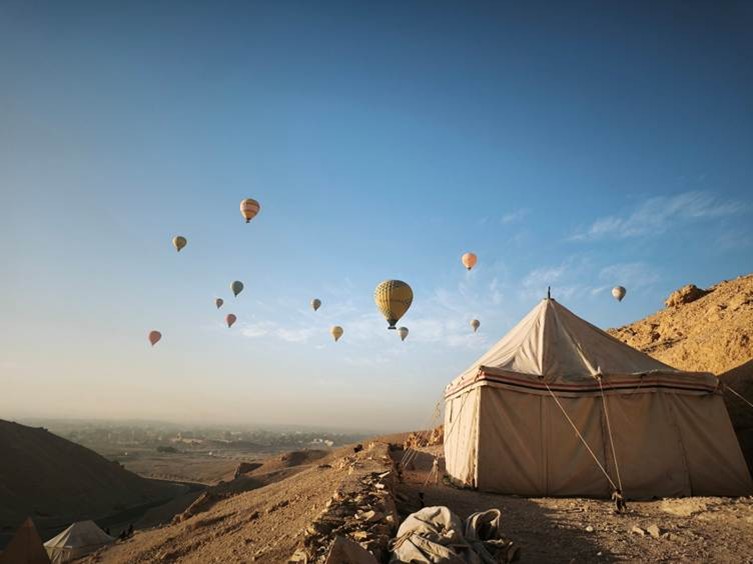
Figure 1: Hot air balloons filling the sky over Luxor near the site of Deir el-Medina. Photo: Paolo Del Vesco.
As the end of the mission approached, the pace of fieldwork increased and became more intense, in order to complete the documentation and conservation activities begun in previous weeks. The goal was to close the season by collecting as much data as possible and leaving everything orderly and secure for future campaigns. In this respect, the contribution of every team member was essential.
Inside the tent, organized into several workstations, the team focused on both documentation and conservation of the finds.
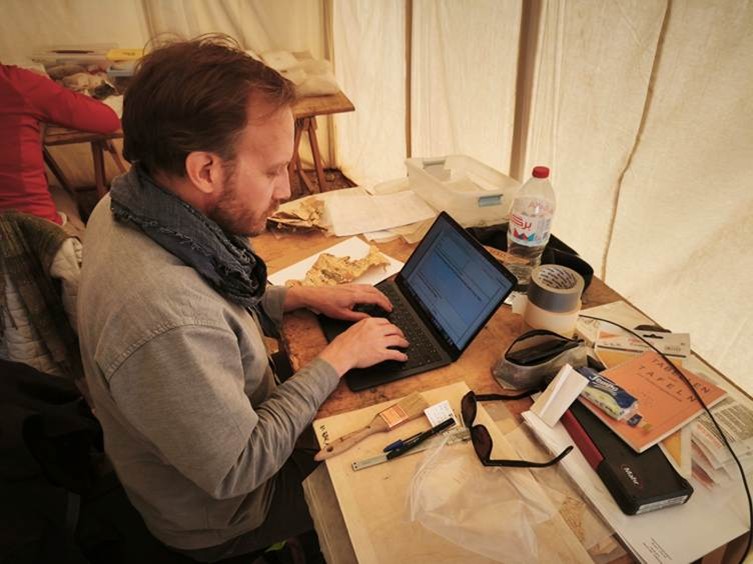
Figure 2: Johannes working on the cataloguing of particularly interesting finds: fragments of old newspapers discovered inside the tomb, which help reconstruct its history of use from the early 20th century onward. Photo: Paolo Del Vesco.
Federico Poole and Johannes Auenmüller completed the cataloguing and database entry of the numerous objects recovered. Sara Aicardi initially worked outside the tent on the reconstruction of several vessels, assembling them from the hundreds of fragments collected during excavation; she then carried out first-aid conservation on small finds that required it and carefully stored all the objects in appropriate containers. Paolo Del Vesco was responsible for drawing the ceramic fragments.
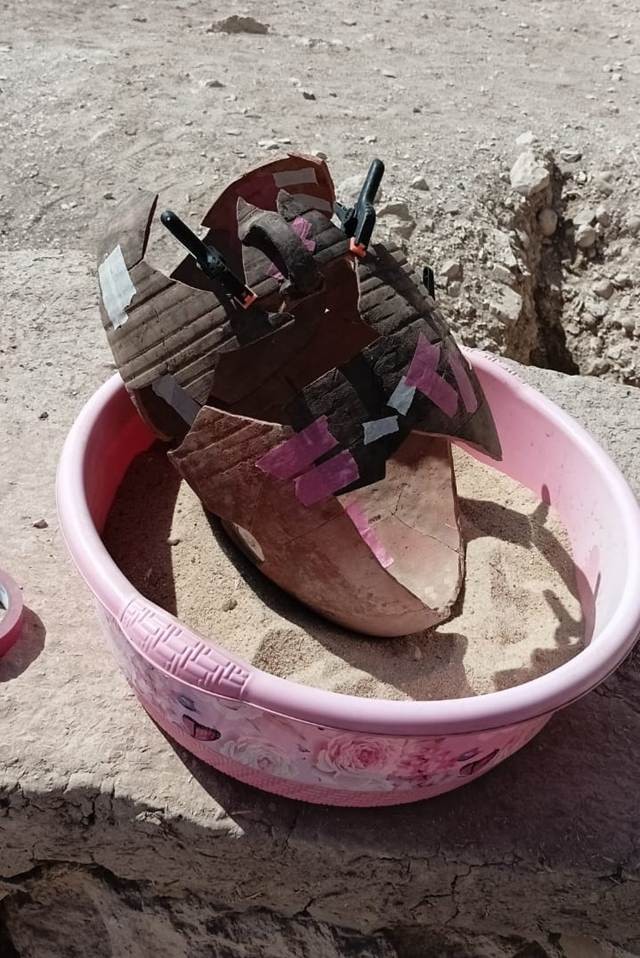
Figure 3: One of the vessels partially reconstructed by Sara Aicardi from the recovered fragments. Photo: Sara Aicardi.
Outside the tent, meanwhile, in a temporary workspace set up within the protected space of the tomb chapel, Nicola Dell’Aquila continued at an intense pace with the photographic documentation of all the finds—an essential task that will allow the study of the materials to continue once back in Italy.
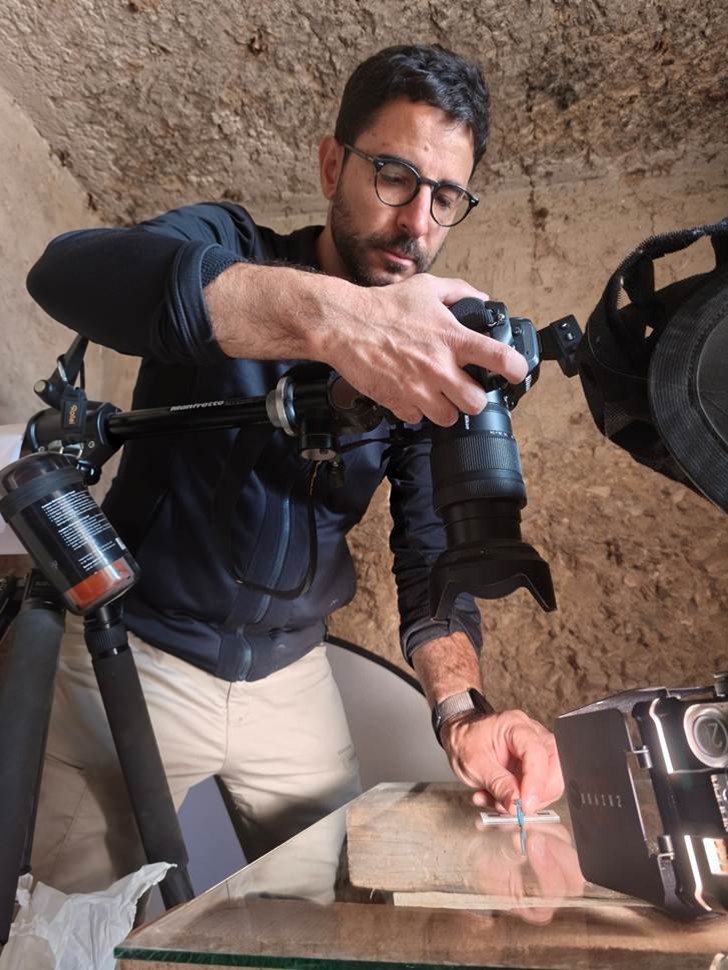
Figure 4: Nicola Dell’Aquila at work inside the tomb chapel. Photo: Paolo Del Vesco.
The mission’s work was not limited to surface activities. One of the main objectives of this year’s campaign was the conservation and stabilization of the burial chamber of tomb TT214, excavated and constructed several meters underground. In this confined space, illuminated by spotlights and surrounded by the vivid colors of the wall decoration, Michela Cardinali and Marie-Claire Canepa worked continuously to consolidate and fill losses in the painted surfaces and preparatory layers.
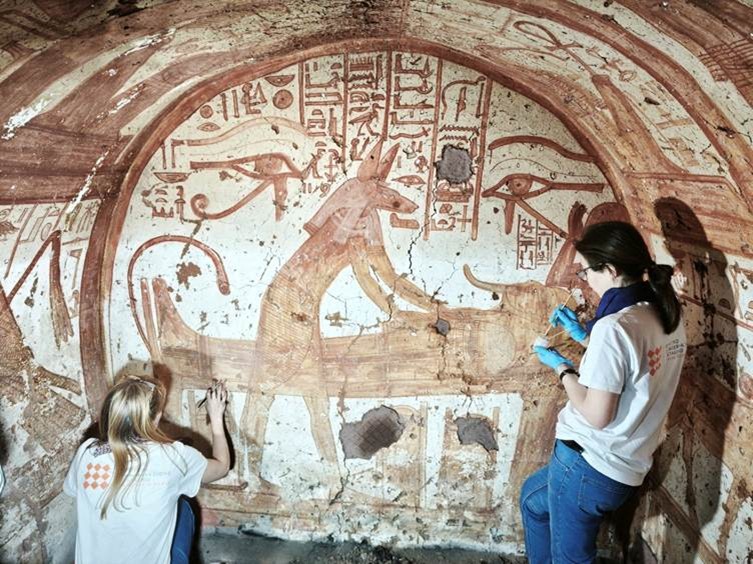
Figure 5: Michela Cardinali and Marie-Claire Canepa working on the wall paintings of the burial chamber. Photo: Paolo Del Vesco.
During the week, we also had the opportunity to welcome members of other teams currently engaged in the study and conservation of tombs in the Theban necropolis, and in some cases to return the visit. These moments of exchange are particularly valuable and stimulating, allowing us to compare situations and challenges encountered in the field and, where possible, to align methodologies—especially in the field of conservation.
The objectives set for these three weeks of work have been achieved. All that remains now is to deposit the materials in the storerooms, pack away the equipment, dismantle the tent, close and reseal the tomb, and say goodbye to colleagues of many nationalities who have worked alongside us on other research projects, all focused on the site of Deir el-Medina. One last ride on the minibus, passing by the temple of Medinet Habu, and then the return flight home.
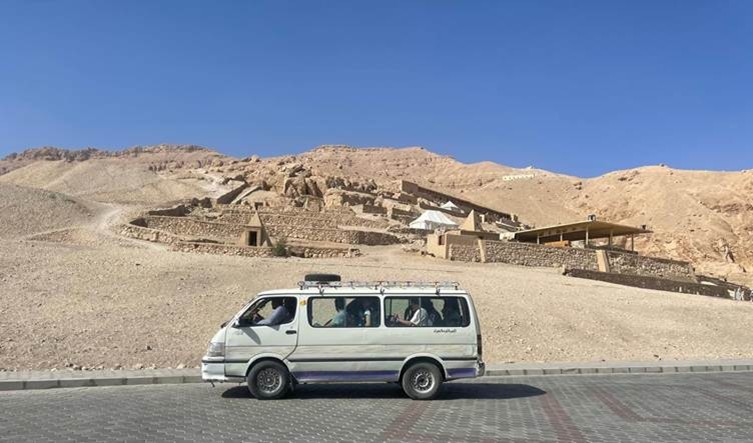
Figure 6: The mission minibus against the backdrop of the Deir el-Medina necropolis. Photo: Michela Cardinali.
Work and research certainly do not end with the close of field activities. On the contrary, they continue with the study of materials, contexts, and architecture in the specialized library of the Museo Egizio. Many discoveries still lie ahead, through the search for parallels to the recovered materials, the detailed analysis of earlier excavations, and the study of comparable examples of wall painting and pigment deterioration.
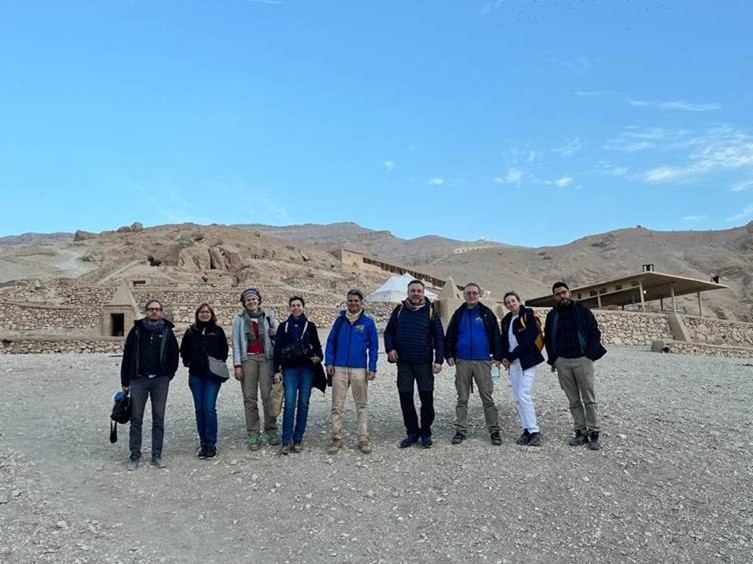
Figure 7: The full team at work. Photo: Cédric Gobeil.
Now, however, it is time for farewells and acknowledgements. First and foremost, thanks go to this season’s team: we shared emotions, hard work, fatigue, culinary discoveries, satisfaction, joy, interests, wonder, and much more—always with great professionalism, empathy, openness, and lightness of spirit. Our sincere thanks also go to the inspectors, guards, and Egyptian workers at the site, and to the French mission of the Ifao at Deir el-Medina, whose administrative and logistical support allows so many projects to continue studying this fascinating site.
And thank you, too, for following us on this mission. Until next time!
If you wish, you can support the Museo Egizio’s excavation missions and help bring new stories to light.
Donate now: Donation | Museo Egizio
الأسبوع الأخير من العمل في دير المدينة
انتهى موسم العمل الجديد في دير المدينة ووصلنا إلى أيامه الأخيرة. نحن الآن في مرحلة التحضير للعودة: فمنّا من سيعود إلى تورينو، ومنّا من سينتقل للشروع في أعمال حفائر جديدة بموقع أثري مصري له أهمية كبيرة، وهو موقع مدينة "قِفْط"، يقع شمال مدينة الأقصر بقليل. - ولكن لا تقلقوا، فستصلكم أخبارنا من قِفْط أيضاً!
تميّزت الأيام الأخيرة بمشاهدة المناطيد الهوائية التي أضفت ألواناً زاهية على سماء الأقصر مع بزوغ الفجر، بينما بدأت درجات الحرارة بالارتفاع تدريجياً، وقد بلغ متوسط الحرارة هذا الشتاء في مصر إلى 30 درجة مئوية خلال ساعات النهار.
صورة رقم 1: تزين المناطيد الهوائية سماء الأقصر، حيث تحلق فوق المنطقة الأثرية لدير المدينة. تصوير: باولو ديل فيسكو.
مع اقتراب انتهاء أعمال البعثة، ازدادت وتيرة العمل الميداني و تكثّفت الجهود لإنجاز مختلف الأنشطة في التوثيق والترميم التي بدأت في الأسابيع السابقة. الغاية تتمثل في استثمار ما تبقى من وقت البعثة لجمع أكبر قدر ممكن من المعلومات والبيانات الأثرية وضمان ترك الموقع في حالة مناسبة تتيح متابعة العمل في المواسم المقبلة. ولتحقيق هذه الأهداف، أصبحت مساهمة كل فرد من الفريق عنصراً محورياً لا غنى عنه.
داخل الخيمة، التي تم تجهيزها بعدة مكاتب للعمل، تولى أعضاء الفريق عمليات توثيق وترميم القطع الأثرية.
صورة رقم 2: يوهانس منشغل في تصنيف بعض اللقى الأثرية الخاصة: بقايا صحف قديمة عُثر عليها داخل المقبرة والتي تساعدنا في إعادة تكوين تاريخ زوّارها ابتداءً من أوائل القرن العشرين وما بعده. تصوير: باولو ديل فيسكو.
أكمل كل من فيديريكو بول ويوهانس أوينمولر عملية تسجيل وإدخال القطع الأثرية المكتشفة في قاعدة البيانات.
في الوقت نفسه، بدأت سارة أيكاردي العمل خارج الخيمة على إعادة تجميع بعض الأواني الفخارية باستخدام مئات الكسرات الفخارية التي تم جمعها أثناء الحفريات ثم قامت بالتدخل الفوري لمعالجة القطع الصغيرة التي احتاجت إلى عناية إضافية وترتيبها بدقة في الحاويات المناسبة. أما باولو ديل فيسكو فقد تولى عملية رسم وتوثيق الكسرات الفخارية المكتشفة.
صورة رقم 3: إحدى الأواني التي قامت سارة أيكاردي بإعادة ترميمها جزئياً استناداً إلى الأجزاء التي تم اكتشافها. تصوير: سارة أيكاردي.
في الأثناء وخارج الخيمة، في غرفة الدراسة المؤقتة التي أقيمت في المكان المحمي للمقصورة الموجودة في المقبرة، واصل نيكولا ديلأكويلا العمل بوتيرة عالية لتوثيق جميع القطع الأثرية من خلال التصوير الفوتوغرافي، وهو عمل بالغ الأهمية لمواصلة دراسة المواد بعد العودة إلى إيطاليا.
صورة رقم 4: نيكولا ديلأكويلا أثناء عمله داخل مقصورة القبر. تصوير: باولو ديل فيسكو.
لكن عمل البعثة لم يقتصر فقط على الأنشطة السطحية، بل كان أحد أبرز الأعمال المقررة لهذا العام ترميم وتأمين غرفة الدفن في المقبرة TT214، التي تم تصميمها وحفرها على عمق عدة أمتار تحت الأرض. في هذا المكان الضيق، المضاء بأضواء كاشفة وتحيطه ألوان الزخارف البديعة التي تغطي جدرانه، بذلت كل من ميكيلا كاردينالي وماري كلير كانيبا جهوداً دؤوبة لتعزيز وترميم الأسطح المطلية ومعالجة الفجوات في الأسطح المرسومة وفي الطبقات التمهيدية.
صورة رقم 5: ميكيلا كاردينالي وماري كلير كانيبا أثنا عملهن على جداريات غرفة الدفن في المقبرة. تصوير: باولو ديل فيسكو.
خلال الأسبوع، استقبلنا أيضاً أعضاء من فرق مختلفة تعمل حالياً على دراسة وترميم مقابر أخرى في مدينة طيبة الجنائزية، وفي بعض الأحيان قمنا نحن بزيارتهم. تعتبر هذه اللقاءات لحظات تبادل وتعاون مهمة ومحفزة للغاية أتاحت لنا الفرصة لتبادل الخبرات ومقارنة الظروف والتحديات التي نواجهها أثناء العمل إضافةً إلى توحيد النهج المختلفة المستخدمة، خاصة في مجال الترميم.
تم تحقيق وبنجاح الأهداف المحددة لهذه الأسابيع الثلاثة من العمل. الآن لم يتبق لنا سوى تخزين جميع الأدوات في المستودعات المختلفة، ترتيب المعدات، تفكيك الخيمة وإغلاق الموقع وتأمينه مجدداً. حان موعد توديع زملائنا من مختلف الجنسيات الذين عملوا معنا خلال هذه الأسابيع في مشاريع أخرى، تركزت جميعها على موقع دير المدينة، ومن ثم الرحلة الأخيرة على متن الحافلة الصغيرة، مروراً بمعبد مدينت هابو، قبل أن نبدأ رحلة العودة.
صورة رقم 6: الحافلة الصغيرة التي تستخدمها البعثة، في الخلفية جبانة دير المدينة. تصوير: ميكيلا كاردينالي.
بالتأكيد لا تنتهي الأعمال والأبحاث مع انتهاء الأنشطة الميدانية، بل تستمر من هنا بدراسة المواد والسياقات والهندسة المعمارية التي نجريها داخل المكتبة المتخصصة بالمتحف المصري في تورينو. لا يزال هناك العديد من الاكتشافات في انتظارنا من خلال البحث عن نقاط التشابه بين مختلف المواد المكتشفة، مع تحليلات دقيقة للحفريات التي أجريت في الماضي أو بدراسة أمثلة مماثلة للزخارف التصويرية أو حالات تدهور الأصباغ.
صورة رقم 7: جميع أعضاء فريق العمل. تصوير: سيدريك جوبيل.
ولكن حان الآن وقت الوداع والشكر. نود أن نتوجه أولاً بالشكر لفريق العمل الذي رافقنا خلال هذا الموسم: لقد شاركنا معاً لحظات مليئة بالمشاعر، العمل الجاد، التعب، اكتشفنا أكلات مختلفة والرضا والفرح والاهتمامات والدهشة إلى جانب العديد من اللحظات الأخرى، التي تميزت دائماً بروح المهنة العميقة، التعاطف، التعاون، والتأقلم. كما نتوجه بخالص الشكر إلى المفتشين والحراس والعمال المصريين في الموقع بالإضافة إلى البعثة الفرنسية في دير المدينة التابعة للمعهد الفرنسي للآثار الشرقية (Ifao) التي، بفضل دعمها الإداري واللوجستي، تسمح للعديد من المشاريع بمواصلة دراسة هذا الموقع المميز. وشكراً لكم على متابعتكم لنا في هذه المهمة. إلى اللقاء!
إذا كنت ترغب، يمكنك دعم بعثات التنقيب التابعة للمتحف المصري وشارك في كشف النقاب عن قصص جديدة من الماضي. ساهم الآن بالتبرع: https://dona.museoegizio.it/
We have now reached the end of this new season of work at Deir el-Medina. The final week has come to a close, and we are preparing to depart: some of us will return to Turin, while others will move on to begin work at another important Egyptian archaeological site, Coptos, just north of Luxor—but don’t worry, you will hear from us there as well!
These last days were marked by the flight of hot air balloons that color the sky over Luxor shortly after sunrise, and by the gradual rise in temperatures, which during this Egyptian winter reached as much as 30°C (86°F) during the daytime.
Figure 1: Hot air balloons filling the sky over Luxor near the site of Deir el-Medina. Photo: Paolo Del Vesco.
As the end of the mission approached, the pace of fieldwork increased and became more intense, in order to complete the documentation and conservation activities begun in previous weeks. The goal was to close the season by collecting as much data as possible and leaving everything orderly and secure for future campaigns. In this respect, the contribution of every team member was essential.
Inside the tent, organized into several workstations, the team focused on both documentation and conservation of the finds.
Figure 2: Johannes working on the cataloguing of particularly interesting finds: fragments of old newspapers discovered inside the tomb, which help reconstruct its history of use from the early 20th century onward. Photo: Paolo Del Vesco.
Federico Poole and Johannes Auenmüller completed the cataloguing and database entry of the numerous objects recovered. Sara Aicardi initially worked outside the tent on the reconstruction of several vessels, assembling them from the hundreds of fragments collected during excavation; she then carried out first-aid conservation on small finds that required it and carefully stored all the objects in appropriate containers. Paolo Del Vesco was responsible for drawing the ceramic fragments.
Figure 3: One of the vessels partially reconstructed by Sara Aicardi from the recovered fragments. Photo: Sara Aicardi.
Outside the tent, meanwhile, in a temporary workspace set up within the protected space of the tomb chapel, Nicola Dell’Aquila continued at an intense pace with the photographic documentation of all the finds—an essential task that will allow the study of the materials to continue once back in Italy.
Figure 4: Nicola Dell’Aquila at work inside the tomb chapel. Photo: Paolo Del Vesco.
The mission’s work was not limited to surface activities. One of the main objectives of this year’s campaign was the conservation and stabilization of the burial chamber of tomb TT214, excavated and constructed several meters underground. In this confined space, illuminated by spotlights and surrounded by the vivid colors of the wall decoration, Michela Cardinali and Marie-Claire Canepa worked continuously to consolidate and fill losses in the painted surfaces and preparatory layers.
Figure 5: Michela Cardinali and Marie-Claire Canepa working on the wall paintings of the burial chamber. Photo: Paolo Del Vesco.
During the week, we also had the opportunity to welcome members of other teams currently engaged in the study and conservation of tombs in the Theban necropolis, and in some cases to return the visit. These moments of exchange are particularly valuable and stimulating, allowing us to compare situations and challenges encountered in the field and, where possible, to align methodologies—especially in the field of conservation.
The objectives set for these three weeks of work have been achieved. All that remains now is to deposit the materials in the storerooms, pack away the equipment, dismantle the tent, close and reseal the tomb, and say goodbye to colleagues of many nationalities who have worked alongside us on other research projects, all focused on the site of Deir el-Medina. One last ride on the minibus, passing by the temple of Medinet Habu, and then the return flight home.
Figure 6: The mission minibus against the backdrop of the Deir el-Medina necropolis. Photo: Michela Cardinali.
Work and research certainly do not end with the close of field activities. On the contrary, they continue with the study of materials, contexts, and architecture in the specialized library of the Museo Egizio. Many discoveries still lie ahead, through the search for parallels to the recovered materials, the detailed analysis of earlier excavations, and the study of comparable examples of wall painting and pigment deterioration.
Figure 7: The full team at work. Photo: Cédric Gobeil.
Now, however, it is time for farewells and acknowledgements. First and foremost, thanks go to this season’s team: we shared emotions, hard work, fatigue, culinary discoveries, satisfaction, joy, interests, wonder, and much more—always with great professionalism, empathy, openness, and lightness of spirit. Our sincere thanks also go to the inspectors, guards, and Egyptian workers at the site, and to the French mission of the Ifao at Deir el-Medina, whose administrative and logistical support allows so many projects to continue studying this fascinating site.
And thank you, too, for following us on this mission. Until next time!
If you wish, you can support the Museo Egizio’s excavation missions and help bring new stories to light.
Donate now: Donation | Museo Egizio
الأسبوع الأخير من العمل في دير المدينة
انتهى موسم العمل الجديد في دير المدينة ووصلنا إلى أيامه الأخيرة. نحن الآن في مرحلة التحضير للعودة: فمنّا من سيعود إلى تورينو، ومنّا من سينتقل للشروع في أعمال حفائر جديدة بموقع أثري مصري له أهمية كبيرة، وهو موقع مدينة "قِفْط"، يقع شمال مدينة الأقصر بقليل. - ولكن لا تقلقوا، فستصلكم أخبارنا من قِفْط أيضاً!
تميّزت الأيام الأخيرة بمشاهدة المناطيد الهوائية التي أضفت ألواناً زاهية على سماء الأقصر مع بزوغ الفجر، بينما بدأت درجات الحرارة بالارتفاع تدريجياً، وقد بلغ متوسط الحرارة هذا الشتاء في مصر إلى 30 درجة مئوية خلال ساعات النهار.
صورة رقم 1: تزين المناطيد الهوائية سماء الأقصر، حيث تحلق فوق المنطقة الأثرية لدير المدينة. تصوير: باولو ديل فيسكو.
مع اقتراب انتهاء أعمال البعثة، ازدادت وتيرة العمل الميداني و تكثّفت الجهود لإنجاز مختلف الأنشطة في التوثيق والترميم التي بدأت في الأسابيع السابقة. الغاية تتمثل في استثمار ما تبقى من وقت البعثة لجمع أكبر قدر ممكن من المعلومات والبيانات الأثرية وضمان ترك الموقع في حالة مناسبة تتيح متابعة العمل في المواسم المقبلة. ولتحقيق هذه الأهداف، أصبحت مساهمة كل فرد من الفريق عنصراً محورياً لا غنى عنه.
داخل الخيمة، التي تم تجهيزها بعدة مكاتب للعمل، تولى أعضاء الفريق عمليات توثيق وترميم القطع الأثرية.
صورة رقم 2: يوهانس منشغل في تصنيف بعض اللقى الأثرية الخاصة: بقايا صحف قديمة عُثر عليها داخل المقبرة والتي تساعدنا في إعادة تكوين تاريخ زوّارها ابتداءً من أوائل القرن العشرين وما بعده. تصوير: باولو ديل فيسكو.
أكمل كل من فيديريكو بول ويوهانس أوينمولر عملية تسجيل وإدخال القطع الأثرية المكتشفة في قاعدة البيانات.
في الوقت نفسه، بدأت سارة أيكاردي العمل خارج الخيمة على إعادة تجميع بعض الأواني الفخارية باستخدام مئات الكسرات الفخارية التي تم جمعها أثناء الحفريات ثم قامت بالتدخل الفوري لمعالجة القطع الصغيرة التي احتاجت إلى عناية إضافية وترتيبها بدقة في الحاويات المناسبة. أما باولو ديل فيسكو فقد تولى عملية رسم وتوثيق الكسرات الفخارية المكتشفة.
صورة رقم 3: إحدى الأواني التي قامت سارة أيكاردي بإعادة ترميمها جزئياً استناداً إلى الأجزاء التي تم اكتشافها. تصوير: سارة أيكاردي.
في الأثناء وخارج الخيمة، في غرفة الدراسة المؤقتة التي أقيمت في المكان المحمي للمقصورة الموجودة في المقبرة، واصل نيكولا ديلأكويلا العمل بوتيرة عالية لتوثيق جميع القطع الأثرية من خلال التصوير الفوتوغرافي، وهو عمل بالغ الأهمية لمواصلة دراسة المواد بعد العودة إلى إيطاليا.
صورة رقم 4: نيكولا ديلأكويلا أثناء عمله داخل مقصورة القبر. تصوير: باولو ديل فيسكو.
لكن عمل البعثة لم يقتصر فقط على الأنشطة السطحية، بل كان أحد أبرز الأعمال المقررة لهذا العام ترميم وتأمين غرفة الدفن في المقبرة TT214، التي تم تصميمها وحفرها على عمق عدة أمتار تحت الأرض. في هذا المكان الضيق، المضاء بأضواء كاشفة وتحيطه ألوان الزخارف البديعة التي تغطي جدرانه، بذلت كل من ميكيلا كاردينالي وماري كلير كانيبا جهوداً دؤوبة لتعزيز وترميم الأسطح المطلية ومعالجة الفجوات في الأسطح المرسومة وفي الطبقات التمهيدية.
صورة رقم 5: ميكيلا كاردينالي وماري كلير كانيبا أثنا عملهن على جداريات غرفة الدفن في المقبرة. تصوير: باولو ديل فيسكو.
خلال الأسبوع، استقبلنا أيضاً أعضاء من فرق مختلفة تعمل حالياً على دراسة وترميم مقابر أخرى في مدينة طيبة الجنائزية، وفي بعض الأحيان قمنا نحن بزيارتهم. تعتبر هذه اللقاءات لحظات تبادل وتعاون مهمة ومحفزة للغاية أتاحت لنا الفرصة لتبادل الخبرات ومقارنة الظروف والتحديات التي نواجهها أثناء العمل إضافةً إلى توحيد النهج المختلفة المستخدمة، خاصة في مجال الترميم.
تم تحقيق وبنجاح الأهداف المحددة لهذه الأسابيع الثلاثة من العمل. الآن لم يتبق لنا سوى تخزين جميع الأدوات في المستودعات المختلفة، ترتيب المعدات، تفكيك الخيمة وإغلاق الموقع وتأمينه مجدداً. حان موعد توديع زملائنا من مختلف الجنسيات الذين عملوا معنا خلال هذه الأسابيع في مشاريع أخرى، تركزت جميعها على موقع دير المدينة، ومن ثم الرحلة الأخيرة على متن الحافلة الصغيرة، مروراً بمعبد مدينت هابو، قبل أن نبدأ رحلة العودة.
صورة رقم 6: الحافلة الصغيرة التي تستخدمها البعثة، في الخلفية جبانة دير المدينة. تصوير: ميكيلا كاردينالي.
بالتأكيد لا تنتهي الأعمال والأبحاث مع انتهاء الأنشطة الميدانية، بل تستمر من هنا بدراسة المواد والسياقات والهندسة المعمارية التي نجريها داخل المكتبة المتخصصة بالمتحف المصري في تورينو. لا يزال هناك العديد من الاكتشافات في انتظارنا من خلال البحث عن نقاط التشابه بين مختلف المواد المكتشفة، مع تحليلات دقيقة للحفريات التي أجريت في الماضي أو بدراسة أمثلة مماثلة للزخارف التصويرية أو حالات تدهور الأصباغ.
صورة رقم 7: جميع أعضاء فريق العمل. تصوير: سيدريك جوبيل.
ولكن حان الآن وقت الوداع والشكر. نود أن نتوجه أولاً بالشكر لفريق العمل الذي رافقنا خلال هذا الموسم: لقد شاركنا معاً لحظات مليئة بالمشاعر، العمل الجاد، التعب، اكتشفنا أكلات مختلفة والرضا والفرح والاهتمامات والدهشة إلى جانب العديد من اللحظات الأخرى، التي تميزت دائماً بروح المهنة العميقة، التعاطف، التعاون، والتأقلم. كما نتوجه بخالص الشكر إلى المفتشين والحراس والعمال المصريين في الموقع بالإضافة إلى البعثة الفرنسية في دير المدينة التابعة للمعهد الفرنسي للآثار الشرقية (Ifao) التي، بفضل دعمها الإداري واللوجستي، تسمح للعديد من المشاريع بمواصلة دراسة هذا الموقع المميز. وشكراً لكم على متابعتكم لنا في هذه المهمة. إلى اللقاء!
إذا كنت ترغب، يمكنك دعم بعثات التنقيب التابعة للمتحف المصري وشارك في كشف النقاب عن قصص جديدة من الماضي. ساهم الآن بالتبرع: https://dona.museoegizio.it/
info@museitorino.it
011 44 06 903
From Monday to Saturday from 9:00 a.m. to 6:00 p.m.
