Research
The 2026 Coptos Digging Diary
يوميات الحفريات الأثرية في موقع قِفْط لعام 2026.
info@museitorino.it
011 44 06 903
From Monday to Saturday from 9:00 a.m. to 6:00 p.m.
What happens when a temple becomes a home?
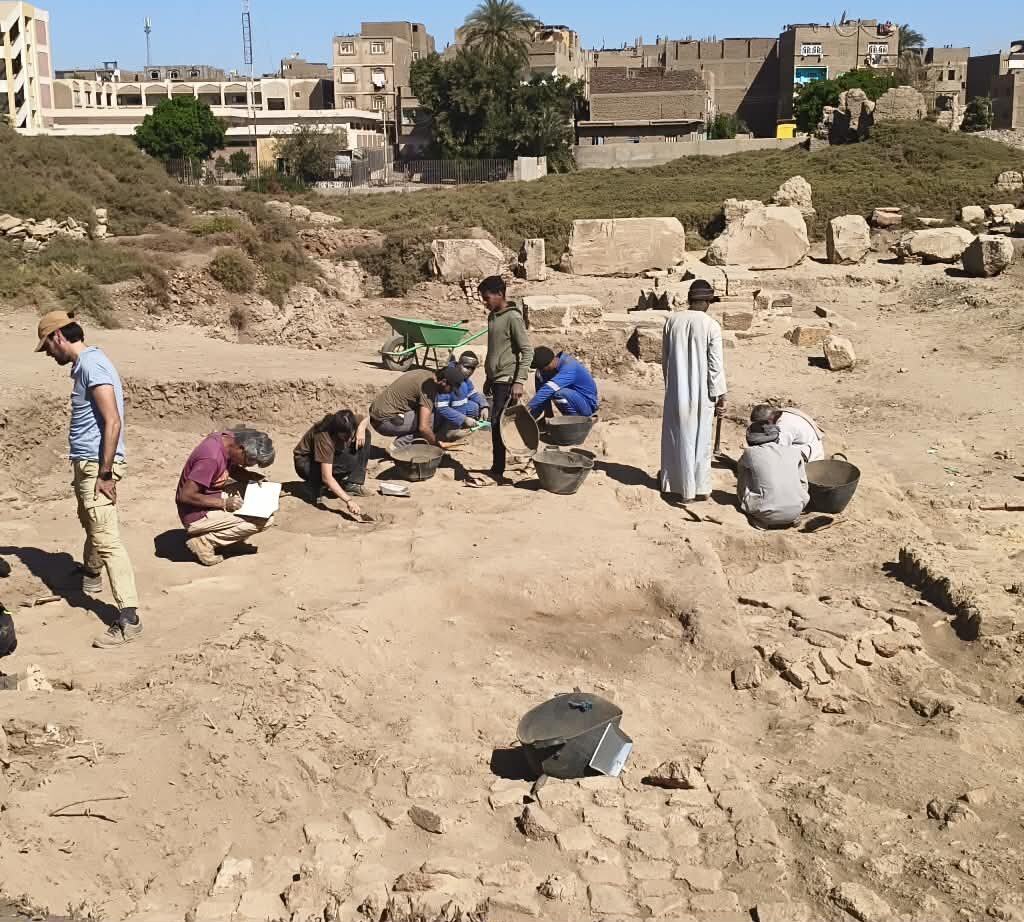
Fig.0. The team back on site.
This winter, our archaeological mission returned to Qeft (ancient Coptos) in Upper Egypt — and what we uncovered tells a fascinating story of transformations through the centuries. In this excavation diary, we’ll take you through the latest discoveries and fieldwork activities. If you’re curious, keep reading!
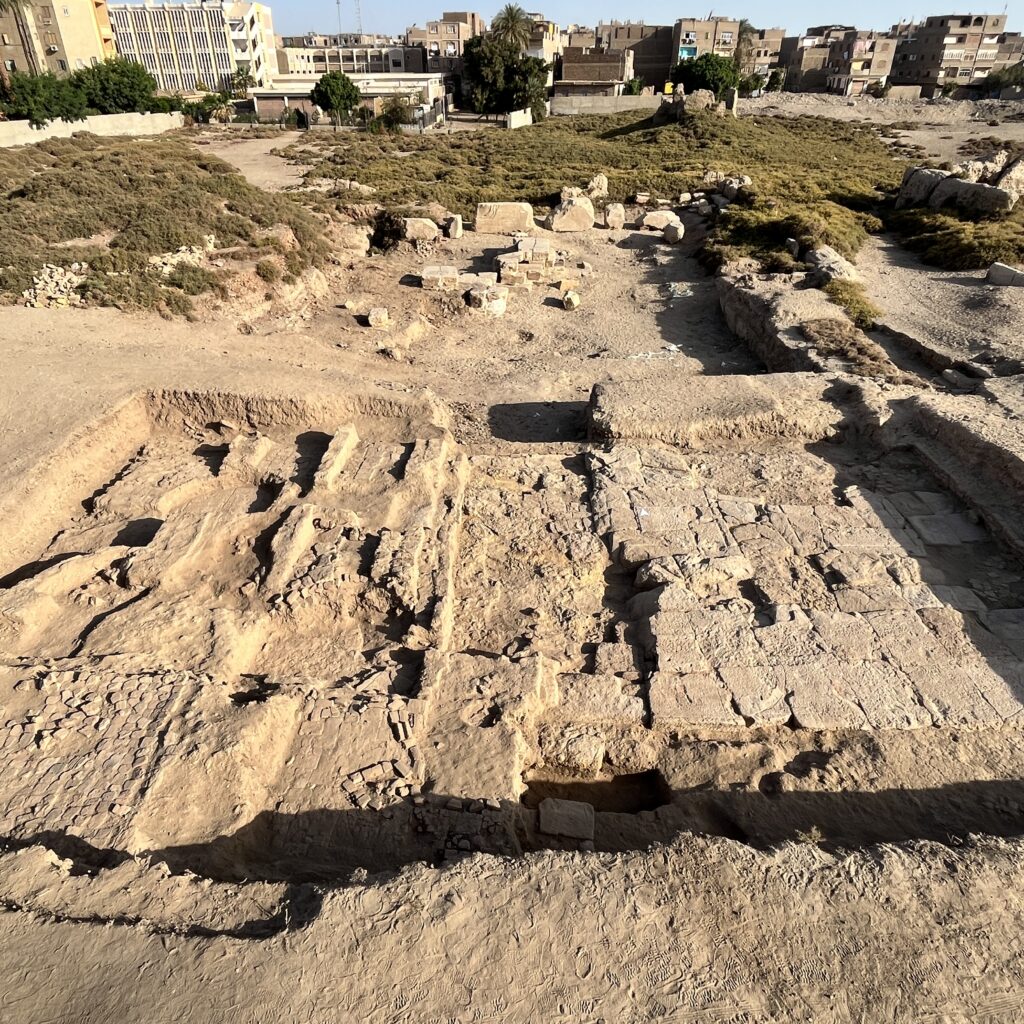
Fig.1. General view of the excavation area: the mammisi at the center of our investigations.
Between February and March 2026, our international team focused on one of the most interesting monuments on the site: a mammisi, or “birth house,” built in the Ptolemaic period (approximately 332–30 BCE). These buildings, closely connected to temple complexes, celebrated the divine birth of the gods. But the story of this mammisi doesn’t end there.
A temple… transformed into a home
Centuries after its construction, during the Byzantine period (6th–7th century CE), the monument was no longer a sacred space. Instead, it was carefully reoccupied and transformed into a proper dwelling.
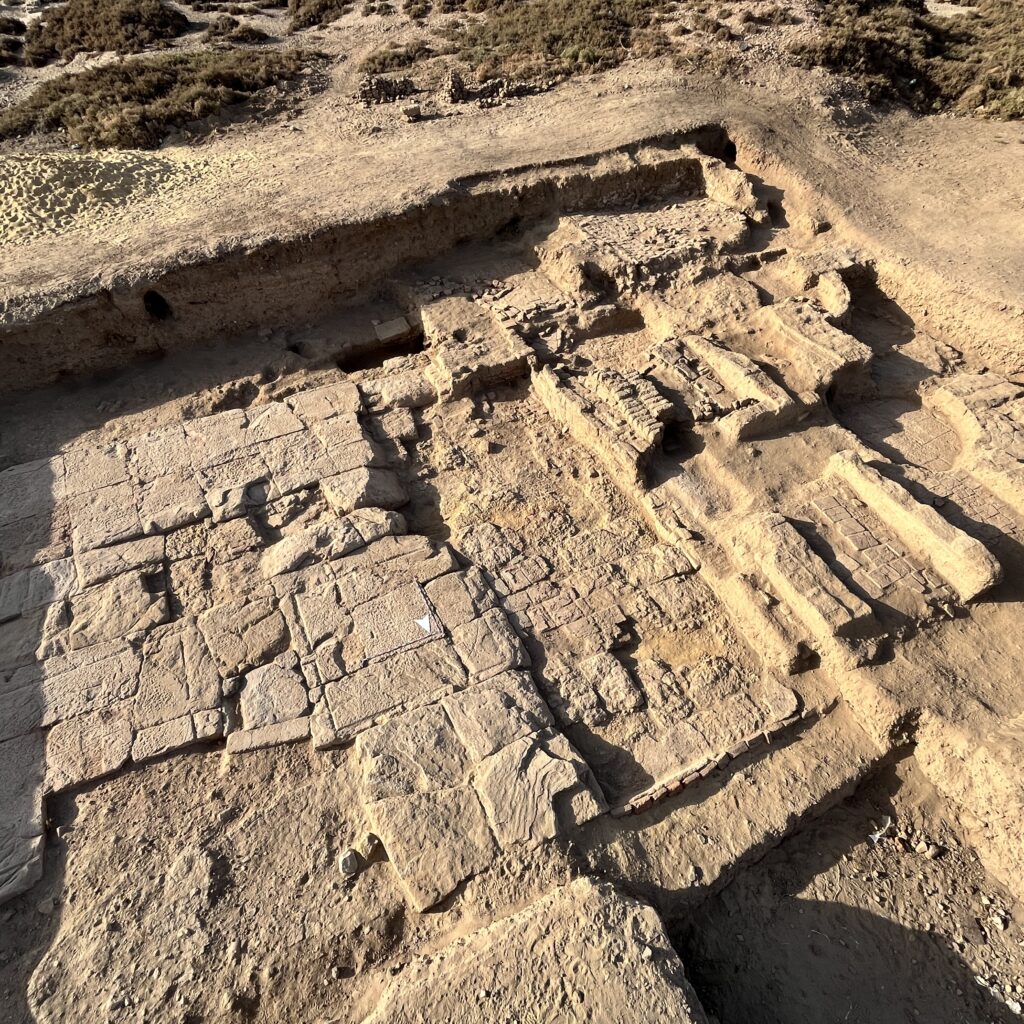
Fig.2. Mudbrick walls built directly on the temple’s stone floor.
We identified mudbrick walls built directly on the temple’s stone floor, dividing the space into multiple rooms. Some had tiled floors, while others were probably used as workspaces. The complex was no longer meant for rituals, but had become part of everyday life.
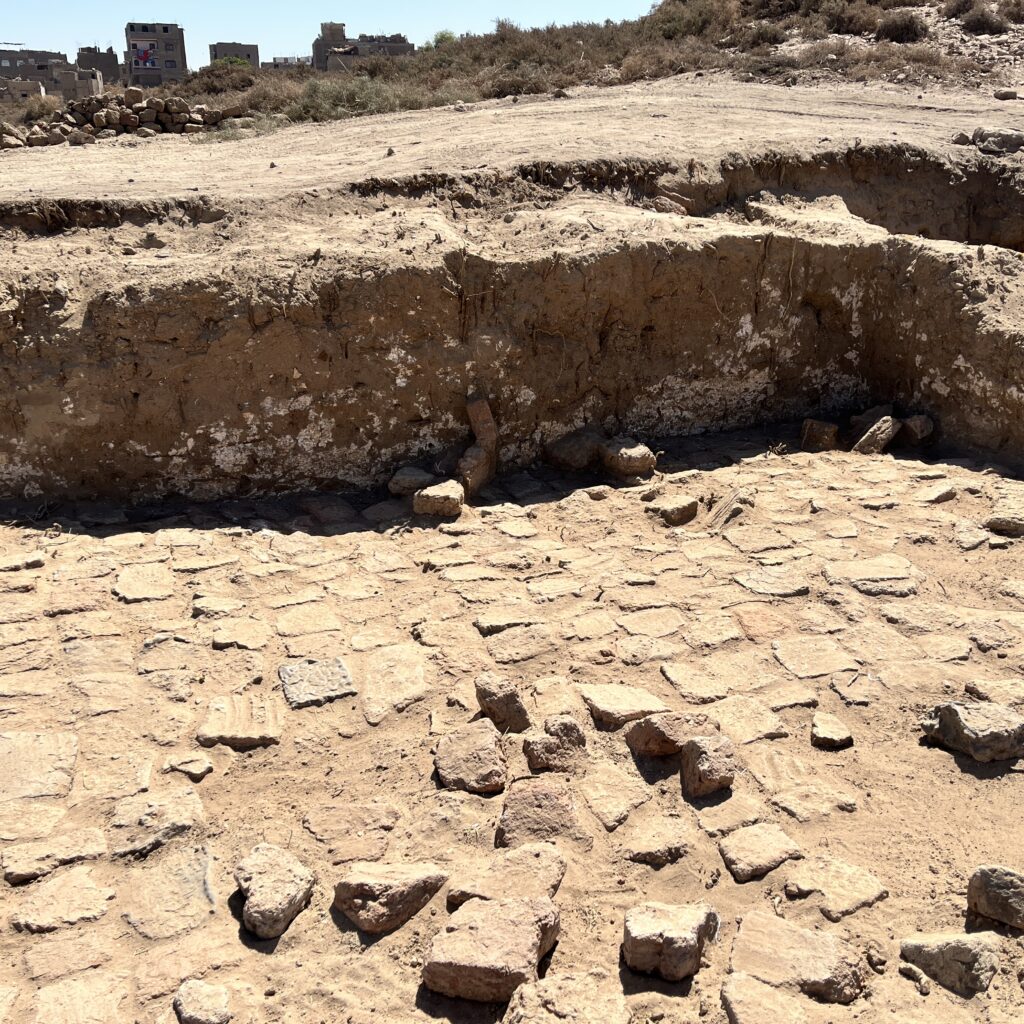
Fig.3. Organization of the rooms: domestic spaces with baked brick floors.
Even more interesting, this transformation didn’t happen just once. We identified two distinct phases of reoccupation, showing that the building continued to evolve and adapt over time.
The past “reused”
At a certain point, parts of the original structure were dismantled: temple blocks were reused, moved, or piled up inside the building itself. Among these fragments, we found decorated elements, inscriptions, and architectural blocks — like the scattered pieces of a giant puzzle.
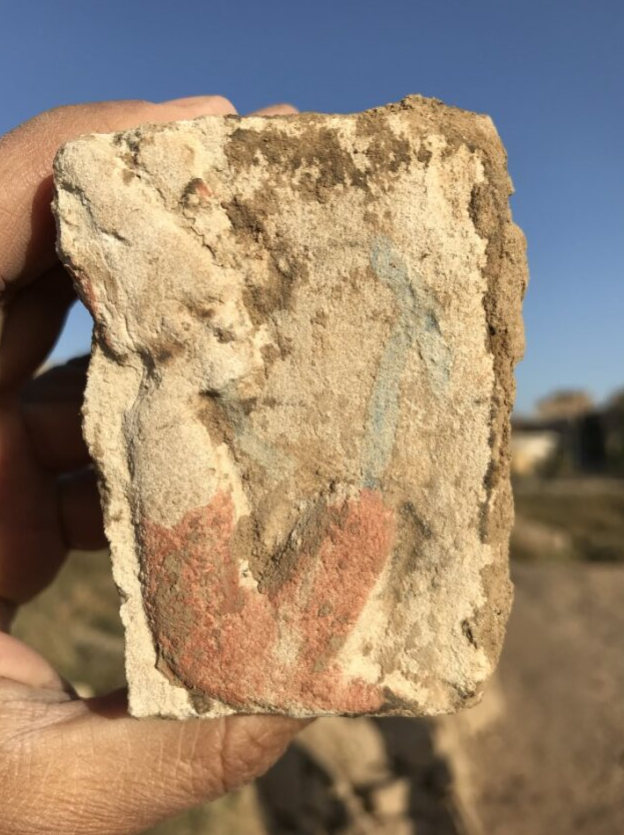
Fig.4. Decorated architectural fragments found during the excavation.
Among the most significant discoveries are a fragment with a hieroglyphic inscription and the base of a reused column, bearing a demotic inscription — a form of ancient Egyptian writing and language used mainly from the 7th century BCE to the 5th century CE. These artifacts are invaluable evidence of how different periods overlap in the same place!
We can’t show you photos of these fragments just yet, as they must first be officially published. But soon, you’ll be able to see them in one of our articles.
Clues of everyday life
The excavation also yielded numerous everyday objects: coins, a small bronze key, a grinding stone, and a ceramic lamp. These are tangible traces of the people who lived and worked in this space, glimpses of their daily lives.
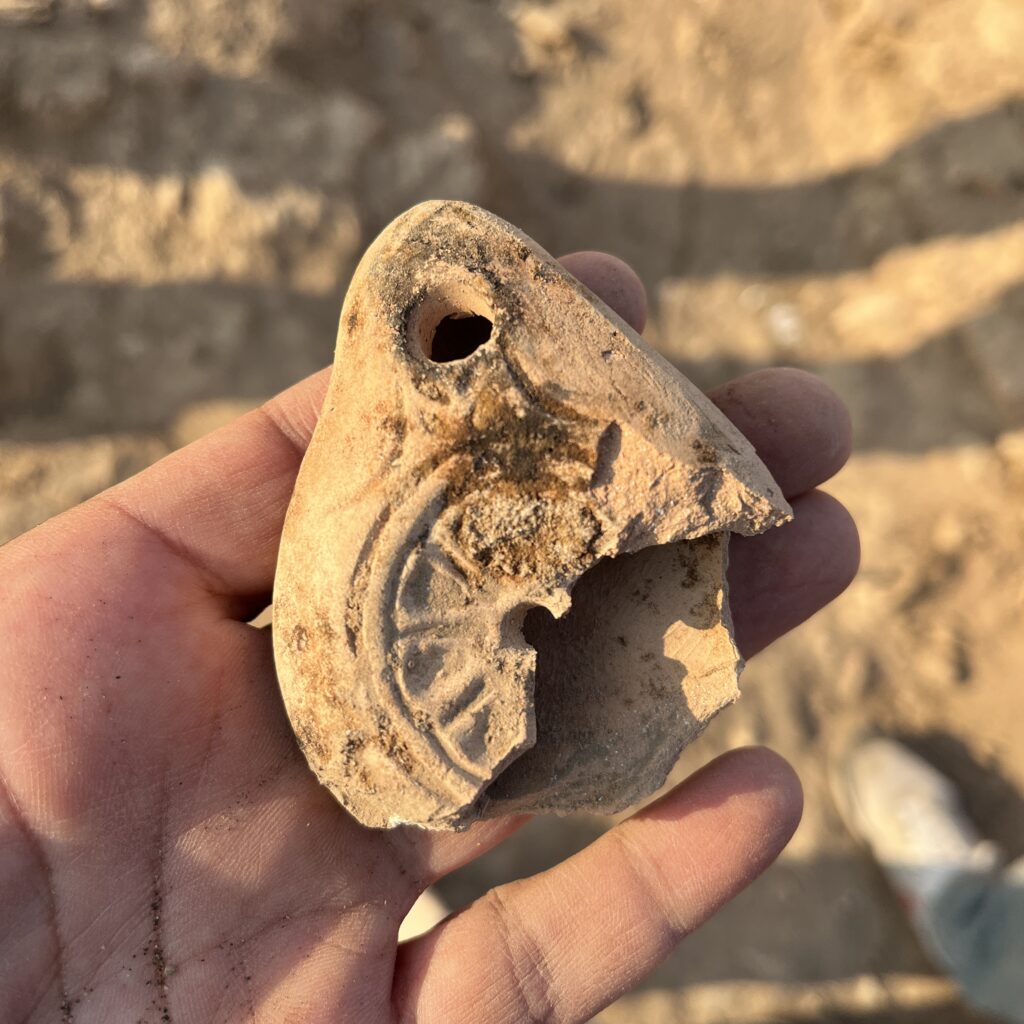
Fig.5. Everyday objects: decorated ceramic lamp.
Ceramics tell another part of the story. Most of the finds date to the Late Roman period and were locally produced, suggesting a largely self-sufficient community. At the same time, the presence of kiln waste indicates artisanal activity, probably connected to nearby ceramic workshops.
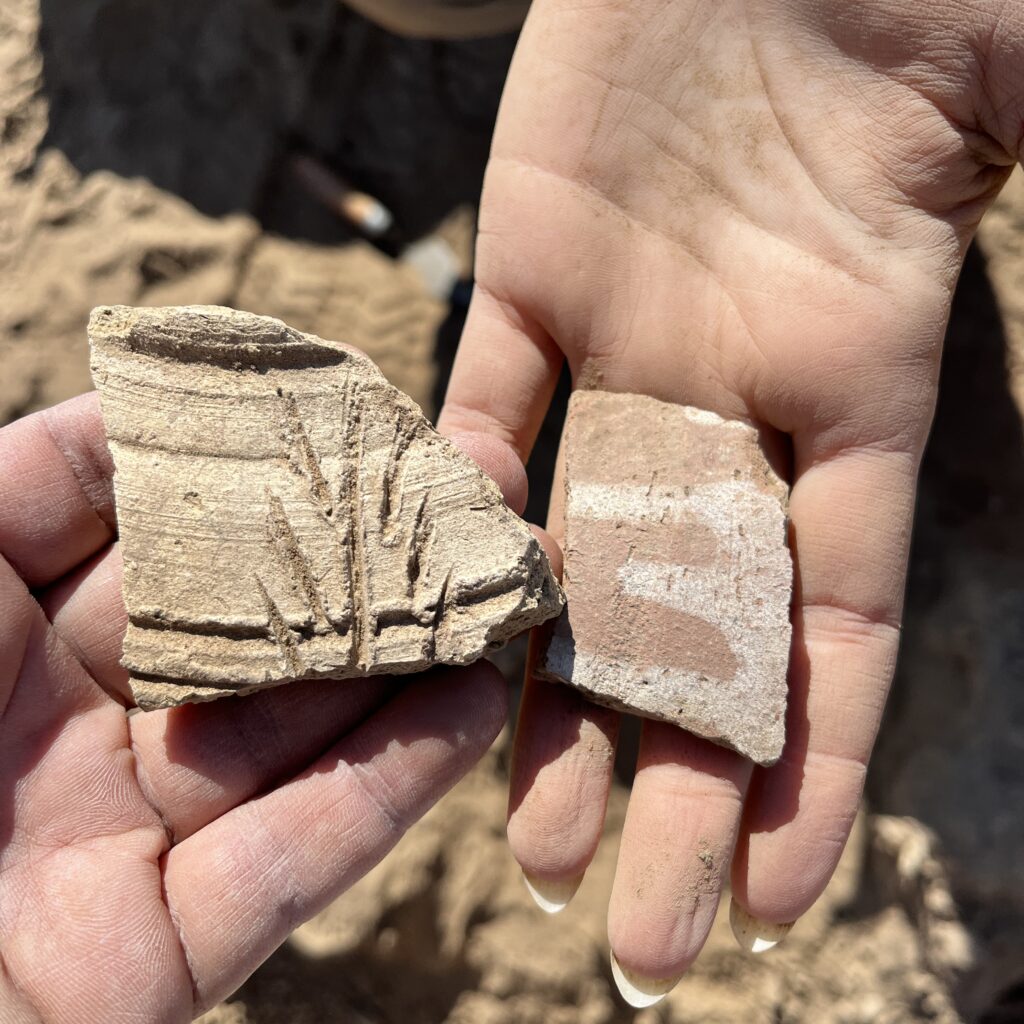
Fig.6. Ceramic fragments and kiln waste.
Reconstructing a lost landscape
Beyond excavation, the mission also focused on conservation and site enhancement. In the northern colonnade of the temple complex, for example, we began standing up some collapsed pillars, using traditional techniques to lift and reposition the ancient blocks. It was thrilling to see pieces of the past return to their place!
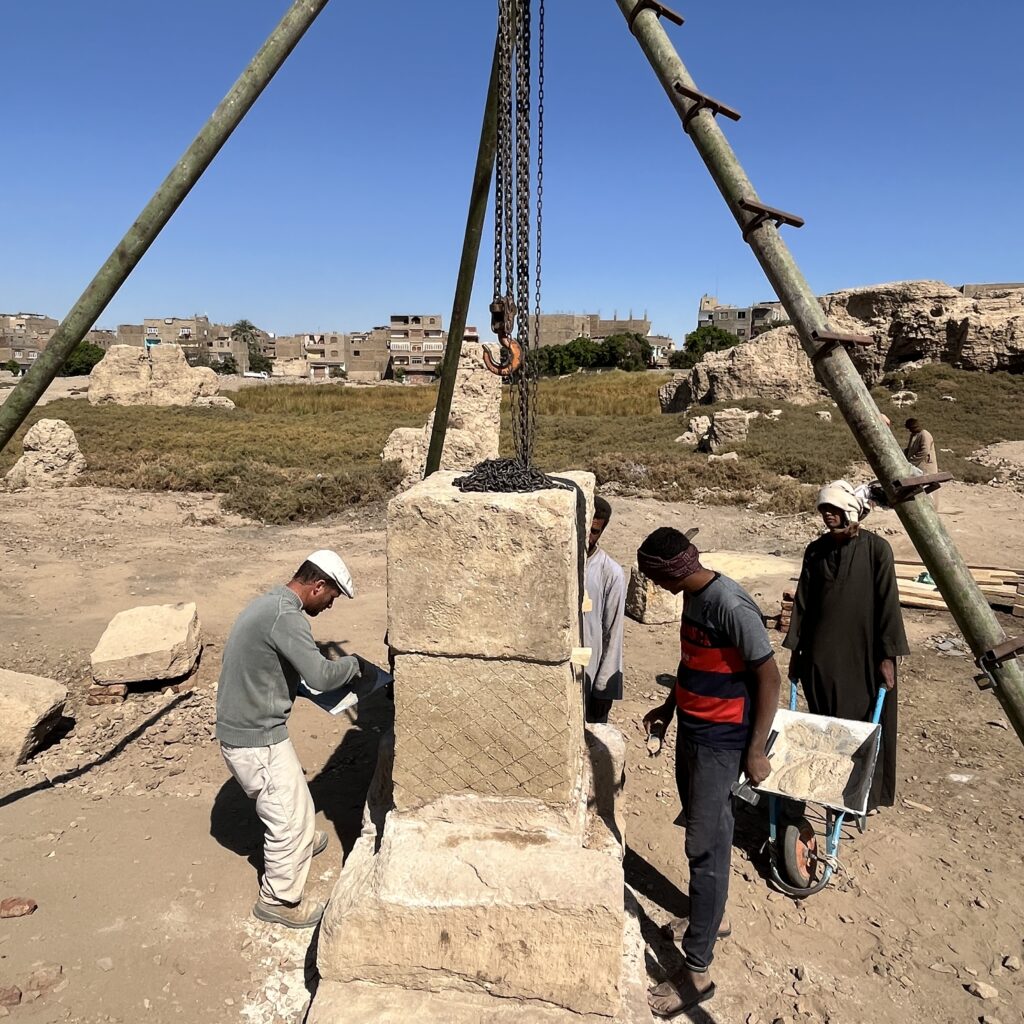
Fig.7. Phases of anastylosis of the colonnade pillars.
These interventions are essential not only for preserving the site, but also for helping restore the monument’s original form.
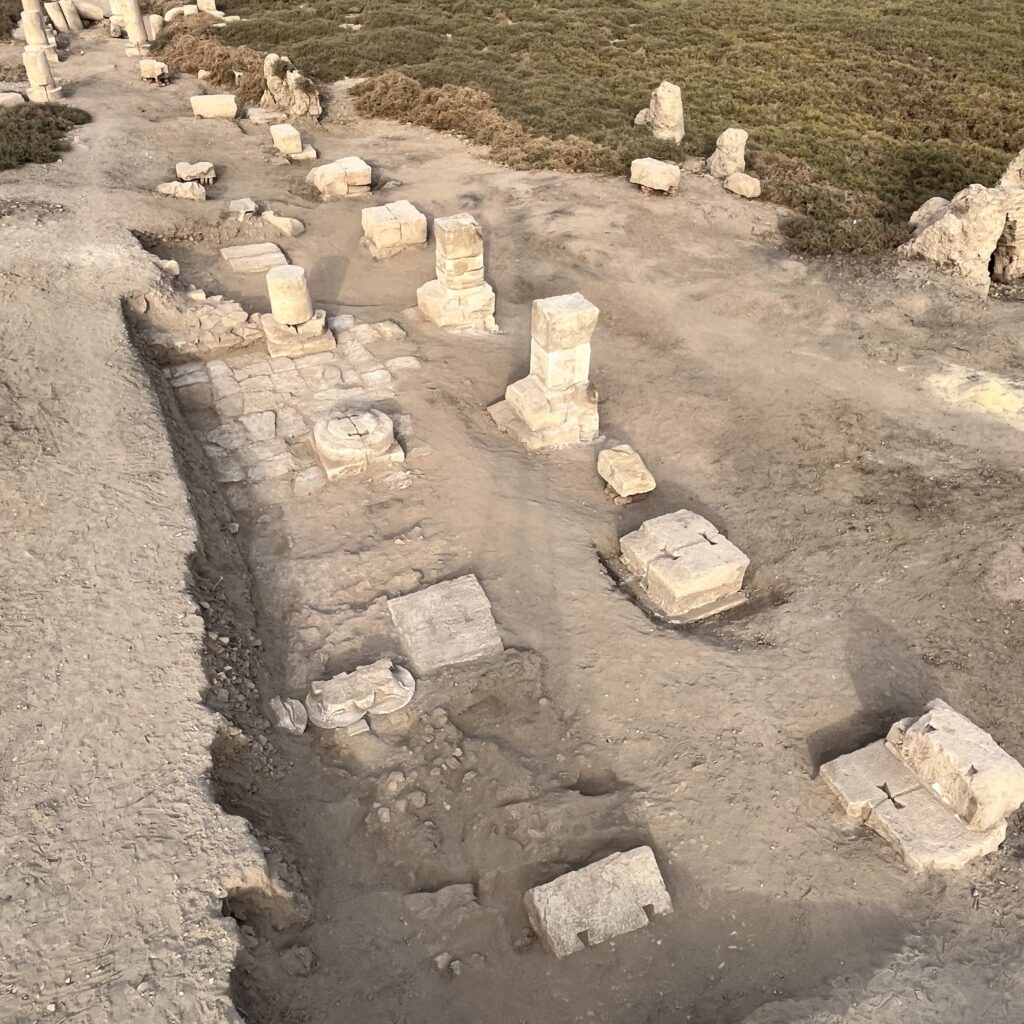
Fig.8. Colonnade in the process of reconstruction.
A puzzle through the millennia
What strikes us most is the extraordinary continuity of life on the site. A sacred space from the Ptolemaic period, centuries later, becomes a place of daily life, work, and reuse.
At Coptos, history is not a fixed image, but an ongoing process of transformation. Season after season, we are slowly piecing together this great story, bit by bit.
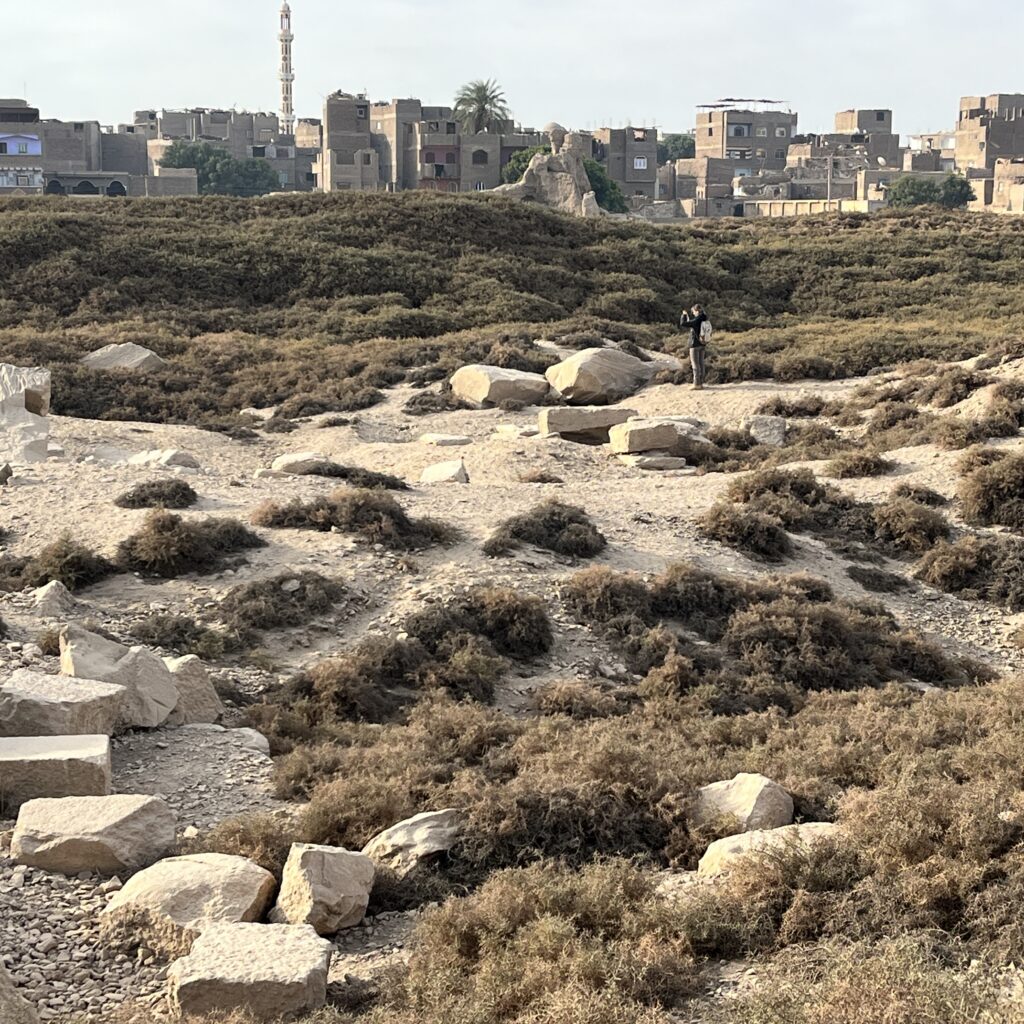
Fig.9. The site today: a landscape where history has layered itself, millennium after millennium.
See you at the next mission!
ما الذي يحدث عندما يتحول المعبد القديم إلى مسكن؟
صورة رقم 0: عودة فريق العمل إلى الموقع.
هذا الشتاء، عادت بعثتنا الأثرية إلى قِفْط (كوبتوس القديمة) الواقعة في صعيد مصر- وما اكتشفناه يروي قصة رائعة على التغيرات التي شهدتها هذه المنطقة على مر العصور. في هذه الصفحات المخصصة ليوميات الحفريات، سنأخذكم في جولة بين أحدث الاكتشافات وأبرز الأنشطة الميدانية: إن كنتم تتوقون لمعرفة المزيد، فما عليكم سوى مواصلة القراءة !
صورة رقم 1: منظر عام لمنطقة الحفريات: الماميزي في وسط الأبحاث
بين شهري فبراير ومارس 2026، عمل فريقنا الدولي على أحد أكثر المعالم إثارة للاهتمام في الموقع: وهو "الماميزي" أو ما يعرف بـ " مكان الولادة " الذي شُيّد في العصر البطلمي (حوالي 332 إلى 30 قبل الميلاد). كانت هذه المباني، المرتبطة ارتباطاً وثيقاً بالمعابد، حيث تحتفي بيوم ميلاد الآلهة. لكن قصة هذا الماميزي لا تتوقف عند هذا الحد.
معبد... تحول إلى مسكن
بعد مرور قرون على بنائه وخلال العصر البيزنطي (القرنين السادس والسابع الميلاديين)، فقد هذا الصرح طابعه كمكان مقدس. بل أُعيد استخدامه وتحويله بعناية إلى مسكن حقيقي.
صورة رقم 2: جدران من الطوب اللبن بُنِيت مباشرة فوق الأرضية الحجرية للمعبد
لقد اكتشفنا جدراناً من الطوب اللبن شُيدت مباشرةً فوق الأرضية الحجرية للمعبد، وكانت تَقسم المكان إلى عدّة غرف مختلفة. تميزت بعض هذه الغرف بأرضيات من القرميد، في حين يُعتقد أن الأخرى كانت مخصصة لأغراض العمل. يبدو أن هذا المجمع لم يعد يستخدم للطقوس الدينية، بل تحوّل إلى مكان يخدم احتياجات الحياة اليومية.
صورة رقم 3: تصميم المساحات: مساحات منزلية بأرضيات من الطوب المشوي
الأمر اللافت للنظر هو أن هذا التحول لم يحدث لمرة واحدة فقط، بل اكتشفنا وجود مرحلتين متميزتين لإعادة الاستخدام، مما يدل على أن المبنى استمر في التطور والتكيف مع مرور ا الزمن.
”إعادة استخدام“ الماضي
في فترة من الزمن بالماضي، تم تفكيك بعض أجزاء الهيكل الأصلي حيث أُعيد الاستفادة من كتل المعبد سواء بنقلها إلى أماكن أخرى أو دمجها وتكديسها داخل المبنى ذاته. ومن بين هذه الأجزاء، عثرنا على عناصر مزخرفة ونقوش وكتل معمارية، وكأنها أجزاء متناثرة من أحجية كبيرة.
صورة رقم 4: قطع معمارية مزخرفة عُثر عليها أثناء الحفريات
من بين أبرز الاكتشافات، عثرنا على قطعة عليها نقشاً باللغة الهيروغليفية، وقاعدة عمود أعيد استخدامه عليه نقشاً باللغة الديموطيقية - وهي إحدى أشكال الكتابة واللغة المستخدمة في مصر القديمة، والتي كانت شائعة من القرن السابع قبل الميلاد إلى القرن الخامس الميلادي. تمثل هذه الاكتشافات توثيقاً قيماً يعكس كيفية تداخل الحقب الزمنية المختلفة في المكان نفسه !
في الوقت الحالي، لا يمكننا عرض صور القطع عليكم، حيث يتوجب أولاً نشرها بشكل رسمي، ولكن ستتمكنون قريباً من مشاهدتها في إحدى مقالاتنا المقبلة.
مظاهر الحياة اليومية
أسفرت الحفريات عن اكتشاف مجموعة من الأدوات التي كانت تُستخدم في الحياة اليومية، مثل العملات المعدنية، ومفتاح صغير مصنوع من البرونز، وحجر طحن، ومصباح من الفخار. تُعتبر هذه الاكتشافات أدلة ملموسة على أشخاص سكنوا هذا المكان وساهموا في إحيائه، كما تسلط الضوء على تفاصيل حياتهم اليومية.
صورة رقم 5: أدوات الحياة اليومية: مصباح مزخرف من الفخار
القطع الفخارية تمثل جزءاً هاماً من السرد التاريخي، حيث تعود غالبية هذه القطع الأثرية إلى العصر الروماني المتأخر، وهي من صنع محلي، مما يشير إلى وجود مجتمع يتمتع بقدر كبير من الاكتفاء الذاتي. بالإضافة إلى ذلك، يشير وجود مخلفات الأفران إلى أنشطة حرفية، ومن المحتمل أن تكون مرتبطة بورش متخصصة في صناعة الخزف موجودة في المناطق المجاورة.
صورة رقم 6: قطع فخارية وبقايا من الأفران
إحياء المنظر الطبيعي المفقود
إلى جانب أعمال التنقيب، خصّصت البعثة جزءاً من جهودها لحفظ الموقع وترميمه، ففي الرواق الشمالي لمبنى المعبد، بدأنا في تثبيت بعض الأعمدة المنهارة، مستخدمين تقنيات تقليدية لرفع الكتل الأثرية وإعادتها إلى مواضعها الأصلية. كان شعور رائع مشاهدة هذه القطع التاريخية تعود لمكانها الأصلي مجدداً !
صورة رقم 7: مراحل إعادة ربط أعمدة الرواق
تعدّ هذه الإجراءات ضرورية ليس فقط للحفاظ على الموقع، بل أيضاً للمساهمة في استعادة المبنى التاريخي إلى حالته الأصلية.
صورة رقم 8: الأعمدة أثناء إعادة الترميم
أحجية تمتد عبر العصور
أكثر ما يثير الإعجاب هو استمرارية الحياة في هذا الموقع بشكل مذهل. فهذا المكان المقدس الذي يعود إلى العصر البطلمي، أصبح بعد قرون مكاناً ينبض بالحياة اليومية والعمل واعيد إحيائه من جديد.
في قِفْط، التاريخ ليس صورة ثابتة فحسب، بل عملية تستمر في التطور والتغير. ومن خلال مواسم التنقيب المتعاقبة، نعيد تجميع هذه الحكاية العظيمة تدريجياً، عنصراً تلو الآخر.
صورة رقم 9: الموقع اليوم: مشهداً تراكمت فيه طبقات التاريخ، عبر آلاف السنين
الى اللقاء في موسم حفريات جديد !
Fig.0. The team back on site.
This winter, our archaeological mission returned to Qeft (ancient Coptos) in Upper Egypt — and what we uncovered tells a fascinating story of transformations through the centuries. In this excavation diary, we’ll take you through the latest discoveries and fieldwork activities. If you’re curious, keep reading!
Fig.1. General view of the excavation area: the mammisi at the center of our investigations.
Between February and March 2026, our international team focused on one of the most interesting monuments on the site: a mammisi, or “birth house,” built in the Ptolemaic period (approximately 332–30 BCE). These buildings, closely connected to temple complexes, celebrated the divine birth of the gods. But the story of this mammisi doesn’t end there.
A temple… transformed into a home
Centuries after its construction, during the Byzantine period (6th–7th century CE), the monument was no longer a sacred space. Instead, it was carefully reoccupied and transformed into a proper dwelling.
Fig.2. Mudbrick walls built directly on the temple’s stone floor.
We identified mudbrick walls built directly on the temple’s stone floor, dividing the space into multiple rooms. Some had tiled floors, while others were probably used as workspaces. The complex was no longer meant for rituals, but had become part of everyday life.
Fig.3. Organization of the rooms: domestic spaces with baked brick floors.
Even more interesting, this transformation didn’t happen just once. We identified two distinct phases of reoccupation, showing that the building continued to evolve and adapt over time.
The past “reused”
At a certain point, parts of the original structure were dismantled: temple blocks were reused, moved, or piled up inside the building itself. Among these fragments, we found decorated elements, inscriptions, and architectural blocks — like the scattered pieces of a giant puzzle.
Fig.4. Decorated architectural fragments found during the excavation.
Among the most significant discoveries are a fragment with a hieroglyphic inscription and the base of a reused column, bearing a demotic inscription — a form of ancient Egyptian writing and language used mainly from the 7th century BCE to the 5th century CE. These artifacts are invaluable evidence of how different periods overlap in the same place!
We can’t show you photos of these fragments just yet, as they must first be officially published. But soon, you’ll be able to see them in one of our articles.
Clues of everyday life
The excavation also yielded numerous everyday objects: coins, a small bronze key, a grinding stone, and a ceramic lamp. These are tangible traces of the people who lived and worked in this space, glimpses of their daily lives.
Fig.5. Everyday objects: decorated ceramic lamp.
Ceramics tell another part of the story. Most of the finds date to the Late Roman period and were locally produced, suggesting a largely self-sufficient community. At the same time, the presence of kiln waste indicates artisanal activity, probably connected to nearby ceramic workshops.
Fig.6. Ceramic fragments and kiln waste.
Reconstructing a lost landscape
Beyond excavation, the mission also focused on conservation and site enhancement. In the northern colonnade of the temple complex, for example, we began standing up some collapsed pillars, using traditional techniques to lift and reposition the ancient blocks. It was thrilling to see pieces of the past return to their place!
Fig.7. Phases of anastylosis of the colonnade pillars.
These interventions are essential not only for preserving the site, but also for helping restore the monument’s original form.
Fig.8. Colonnade in the process of reconstruction.
A puzzle through the millennia
What strikes us most is the extraordinary continuity of life on the site. A sacred space from the Ptolemaic period, centuries later, becomes a place of daily life, work, and reuse.
At Coptos, history is not a fixed image, but an ongoing process of transformation. Season after season, we are slowly piecing together this great story, bit by bit.
Fig.9. The site today: a landscape where history has layered itself, millennium after millennium.
See you at the next mission!
ما الذي يحدث عندما يتحول المعبد القديم إلى مسكن؟
صورة رقم 0: عودة فريق العمل إلى الموقع.
هذا الشتاء، عادت بعثتنا الأثرية إلى قِفْط (كوبتوس القديمة) الواقعة في صعيد مصر- وما اكتشفناه يروي قصة رائعة على التغيرات التي شهدتها هذه المنطقة على مر العصور. في هذه الصفحات المخصصة ليوميات الحفريات، سنأخذكم في جولة بين أحدث الاكتشافات وأبرز الأنشطة الميدانية: إن كنتم تتوقون لمعرفة المزيد، فما عليكم سوى مواصلة القراءة !
صورة رقم 1: منظر عام لمنطقة الحفريات: الماميزي في وسط الأبحاث
بين شهري فبراير ومارس 2026، عمل فريقنا الدولي على أحد أكثر المعالم إثارة للاهتمام في الموقع: وهو "الماميزي" أو ما يعرف بـ " مكان الولادة " الذي شُيّد في العصر البطلمي (حوالي 332 إلى 30 قبل الميلاد). كانت هذه المباني، المرتبطة ارتباطاً وثيقاً بالمعابد، حيث تحتفي بيوم ميلاد الآلهة. لكن قصة هذا الماميزي لا تتوقف عند هذا الحد.
معبد... تحول إلى مسكن
بعد مرور قرون على بنائه وخلال العصر البيزنطي (القرنين السادس والسابع الميلاديين)، فقد هذا الصرح طابعه كمكان مقدس. بل أُعيد استخدامه وتحويله بعناية إلى مسكن حقيقي.
صورة رقم 2: جدران من الطوب اللبن بُنِيت مباشرة فوق الأرضية الحجرية للمعبد
لقد اكتشفنا جدراناً من الطوب اللبن شُيدت مباشرةً فوق الأرضية الحجرية للمعبد، وكانت تَقسم المكان إلى عدّة غرف مختلفة. تميزت بعض هذه الغرف بأرضيات من القرميد، في حين يُعتقد أن الأخرى كانت مخصصة لأغراض العمل. يبدو أن هذا المجمع لم يعد يستخدم للطقوس الدينية، بل تحوّل إلى مكان يخدم احتياجات الحياة اليومية.
صورة رقم 3: تصميم المساحات: مساحات منزلية بأرضيات من الطوب المشوي
الأمر اللافت للنظر هو أن هذا التحول لم يحدث لمرة واحدة فقط، بل اكتشفنا وجود مرحلتين متميزتين لإعادة الاستخدام، مما يدل على أن المبنى استمر في التطور والتكيف مع مرور ا الزمن.
”إعادة استخدام“ الماضي
في فترة من الزمن بالماضي، تم تفكيك بعض أجزاء الهيكل الأصلي حيث أُعيد الاستفادة من كتل المعبد سواء بنقلها إلى أماكن أخرى أو دمجها وتكديسها داخل المبنى ذاته. ومن بين هذه الأجزاء، عثرنا على عناصر مزخرفة ونقوش وكتل معمارية، وكأنها أجزاء متناثرة من أحجية كبيرة.
صورة رقم 4: قطع معمارية مزخرفة عُثر عليها أثناء الحفريات
من بين أبرز الاكتشافات، عثرنا على قطعة عليها نقشاً باللغة الهيروغليفية، وقاعدة عمود أعيد استخدامه عليه نقشاً باللغة الديموطيقية - وهي إحدى أشكال الكتابة واللغة المستخدمة في مصر القديمة، والتي كانت شائعة من القرن السابع قبل الميلاد إلى القرن الخامس الميلادي. تمثل هذه الاكتشافات توثيقاً قيماً يعكس كيفية تداخل الحقب الزمنية المختلفة في المكان نفسه !
في الوقت الحالي، لا يمكننا عرض صور القطع عليكم، حيث يتوجب أولاً نشرها بشكل رسمي، ولكن ستتمكنون قريباً من مشاهدتها في إحدى مقالاتنا المقبلة.
مظاهر الحياة اليومية
أسفرت الحفريات عن اكتشاف مجموعة من الأدوات التي كانت تُستخدم في الحياة اليومية، مثل العملات المعدنية، ومفتاح صغير مصنوع من البرونز، وحجر طحن، ومصباح من الفخار. تُعتبر هذه الاكتشافات أدلة ملموسة على أشخاص سكنوا هذا المكان وساهموا في إحيائه، كما تسلط الضوء على تفاصيل حياتهم اليومية.
صورة رقم 5: أدوات الحياة اليومية: مصباح مزخرف من الفخار
القطع الفخارية تمثل جزءاً هاماً من السرد التاريخي، حيث تعود غالبية هذه القطع الأثرية إلى العصر الروماني المتأخر، وهي من صنع محلي، مما يشير إلى وجود مجتمع يتمتع بقدر كبير من الاكتفاء الذاتي. بالإضافة إلى ذلك، يشير وجود مخلفات الأفران إلى أنشطة حرفية، ومن المحتمل أن تكون مرتبطة بورش متخصصة في صناعة الخزف موجودة في المناطق المجاورة.
صورة رقم 6: قطع فخارية وبقايا من الأفران
إحياء المنظر الطبيعي المفقود
إلى جانب أعمال التنقيب، خصّصت البعثة جزءاً من جهودها لحفظ الموقع وترميمه، ففي الرواق الشمالي لمبنى المعبد، بدأنا في تثبيت بعض الأعمدة المنهارة، مستخدمين تقنيات تقليدية لرفع الكتل الأثرية وإعادتها إلى مواضعها الأصلية. كان شعور رائع مشاهدة هذه القطع التاريخية تعود لمكانها الأصلي مجدداً !
صورة رقم 7: مراحل إعادة ربط أعمدة الرواق
تعدّ هذه الإجراءات ضرورية ليس فقط للحفاظ على الموقع، بل أيضاً للمساهمة في استعادة المبنى التاريخي إلى حالته الأصلية.
صورة رقم 8: الأعمدة أثناء إعادة الترميم
أحجية تمتد عبر العصور
أكثر ما يثير الإعجاب هو استمرارية الحياة في هذا الموقع بشكل مذهل. فهذا المكان المقدس الذي يعود إلى العصر البطلمي، أصبح بعد قرون مكاناً ينبض بالحياة اليومية والعمل واعيد إحيائه من جديد.
في قِفْط، التاريخ ليس صورة ثابتة فحسب، بل عملية تستمر في التطور والتغير. ومن خلال مواسم التنقيب المتعاقبة، نعيد تجميع هذه الحكاية العظيمة تدريجياً، عنصراً تلو الآخر.
صورة رقم 9: الموقع اليوم: مشهداً تراكمت فيه طبقات التاريخ، عبر آلاف السنين
الى اللقاء في موسم حفريات جديد !
info@museitorino.it
011 44 06 903
From Monday to Saturday from 9:00 a.m. to 6:00 p.m.
